About Webber Science
Canada’s Research Peptide Source — Built on Transparency, Purity, and Science
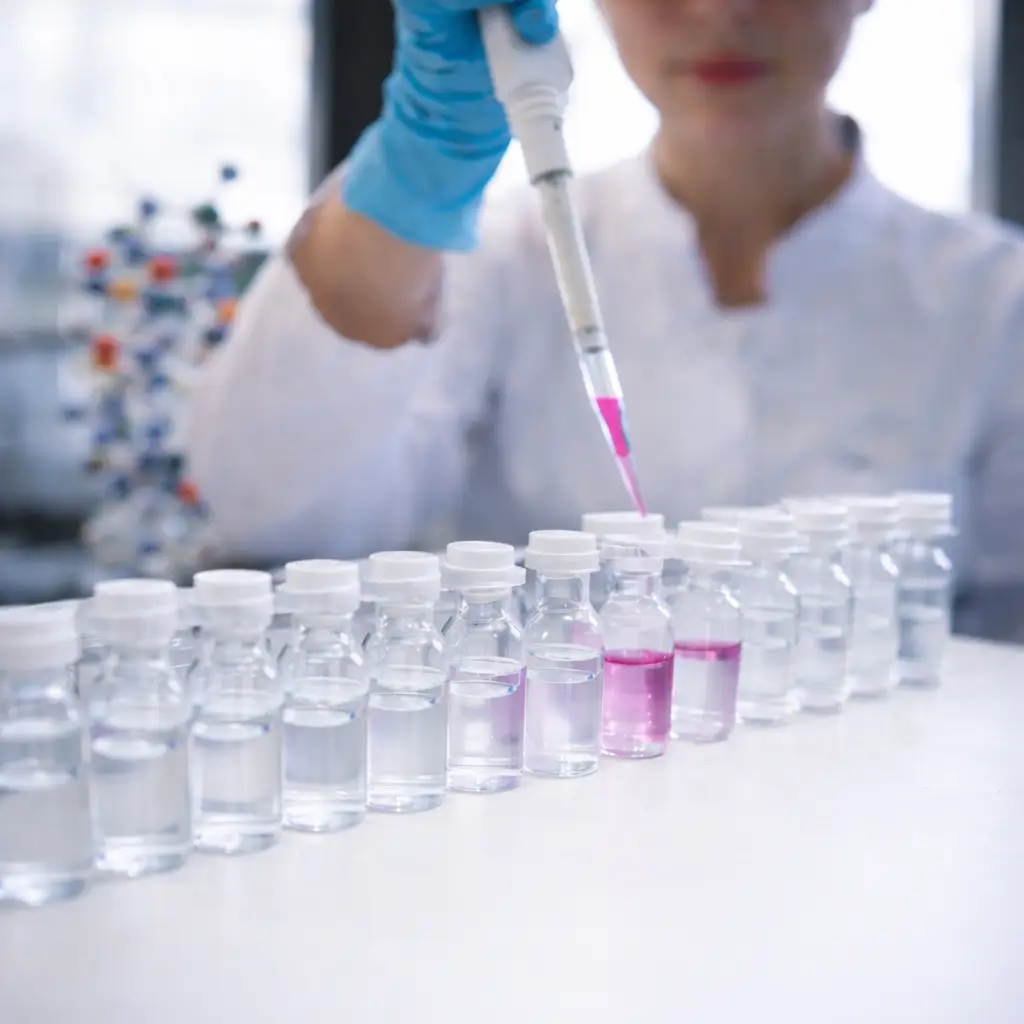
Webber Science is a Canadian research peptide supplier serving researchers, labs, and informed customers across Canada. We supply high-purity peptide compounds for laboratory and investigative research use, with consistent product documentation, transparent specifications, and fast domestic fulfillment.
We carry a focused catalog of research-grade peptides across key categories: muscle repair and recovery, weight loss research, cognitive enhancement, cosmetic and skin research, sexual health, longevity, and cellular energy. Every product is labeled clearly, sourced to specification, and packaged for research use.
Why Webber Science Exists
Research peptides are a growing category. Scientists, biomedical researchers, and informed consumers across Canada are increasingly interested in what the published literature says about compounds like BPC-157, TB-500, Retatrutide, GHK-Cu, Semax, and NAD+. Yet the Canadian market has historically been fragmented, inconsistent, and difficult to navigate.
Webber Science was built to serve that gap. Our focus is straightforward:
- High-purity, analytically verified research peptides
- Clear concentration labeling and transparent product documentation
- A well-organized catalog structured by research application
- Fast Canadian fulfillment with E-Transfer and reliable domestic shipping
- Knowledgeable support for product selection and documentation inquiries
Our Product Categories
Webber Science organizes its catalog by research application to help researchers identify the right compound quickly. Our current categories include:
- Muscle Repair & Recovery Peptides — BPC-157, TB-500, Thymosin Alpha-1, IGF-1 LR3, Ipamorelin, and related compounds studied for tissue repair, recovery, and musculoskeletal research
- Weight Loss Peptides — Retatrutide (GLP-3), AOD-9604, HGH Fragment 176-191, MOTS-C, and related metabolic research compounds
- Cognitive & Nootropic Peptides — Semax, Selank, DSIP, and compounds studied for neuroprotection, focus, and sleep regulation
- Cosmetic & Skin Peptides — GHK-Cu, Epithalon, Melanotan II, and compounds researched for skin elasticity, hair, and anti-aging applications
- Sexual Health Peptides — PT-141, Kisspeptin, and related research compounds
- Longevity & Cellular Health — NAD+, Epithalon, 5-Amino-1MQ, and compounds studied in aging, telomere, and mitochondrial research
- Blends — Pre-formulated research combinations including the Wolverine Stack, GLOW, and KLOW blends
Common Research Questions
What is BPC-157 and why is it researched?
BPC-157 (Body Protection Compound 157) is a synthetic peptide derived from a gastric protein. It has been studied extensively in preclinical research for its potential role in tissue repair, gut health, and tendon/ligament recovery. It is one of the most researched peptides in the injury recovery and musculoskeletal categories.
What is the difference between CJC-1295 with DAC and without DAC?
CJC-1295 is a growth hormone releasing hormone (GHRH) analogue. The version with Drug Affinity Complex (DAC) has an extended half-life of approximately 7–8 days due to albumin binding, while the version without DAC (also called Mod GRF 1-29) has a shorter active window, typically under 30 minutes. Researchers choose between them depending on the study protocol and dosing frequency requirements.
What is Retatrutide and how is it different from semaglutide?
Retatrutide (GLP-3) is a triple agonist peptide — it targets GLP-1, GIP, and glucagon receptors simultaneously. Unlike semaglutide (GLP-1 only) or tirzepatide (GLP-1/GIP dual), Retatrutide’s triple mechanism has shown significantly higher weight reduction outcomes in Phase II clinical trials. It is currently in Phase III trials and represents the leading edge of GLP receptor research.
What is NAD+ used for in research?
NAD+ (nicotinamide adenine dinucleotide) is a coenzyme central to cellular energy metabolism, DNA repair, and mitochondrial function. Research interest has grown around its role in aging, cellular senescence, and conditions related to mitochondrial dysfunction. NAD+ precursors and direct NAD+ compounds are among the most studied molecules in longevity research.
Are research peptides legal in Canada?
Research peptides occupy a specific regulatory category in Canada. They are not approved as drugs for human use, and Webber Science supplies them exclusively for laboratory and research purposes. They are not classified as controlled substances under the Controlled Drugs and Substances Act. All products are clearly labeled for research use only and are not intended for human or veterinary use.
How Webber Science Operates
Webber Science is a Canadian company. We source research-grade peptide compounds, apply consistent labeling and documentation standards, and fulfill orders domestically across Canada. Our logistics chain is built for reliability — orders are packaged securely, processed promptly, and shipped with tracking.
We accept E-Transfer as our primary payment method, keeping the checkout process simple and secure for Canadian customers.
Our support team is available for product information requests, documentation questions, and general inquiries. We do not provide dosing advice, medical recommendations, or treatment guidance — all products are sold for research purposes only.
Our Commitment to Research Standards
Every compound we carry is supplied to verified purity specifications. We are committed to:
- Accurate product labeling with compound name, concentration, and research-use designation
- Consistent product quality across batches
- Transparent catalog documentation — no misleading claims, no unapproved health language
- Responsible fulfillment practices that respect the research-use nature of these compounds
All products sold by Webber Science are for research and laboratory use only. They are not intended for human or veterinary consumption, diagnosis, treatment, or prevention of any condition. Webber Science does not provide medical advice.